School Teachers / Raise Hands! (2022)
Setouchi Triennale, Ogijima, Japan, 2022
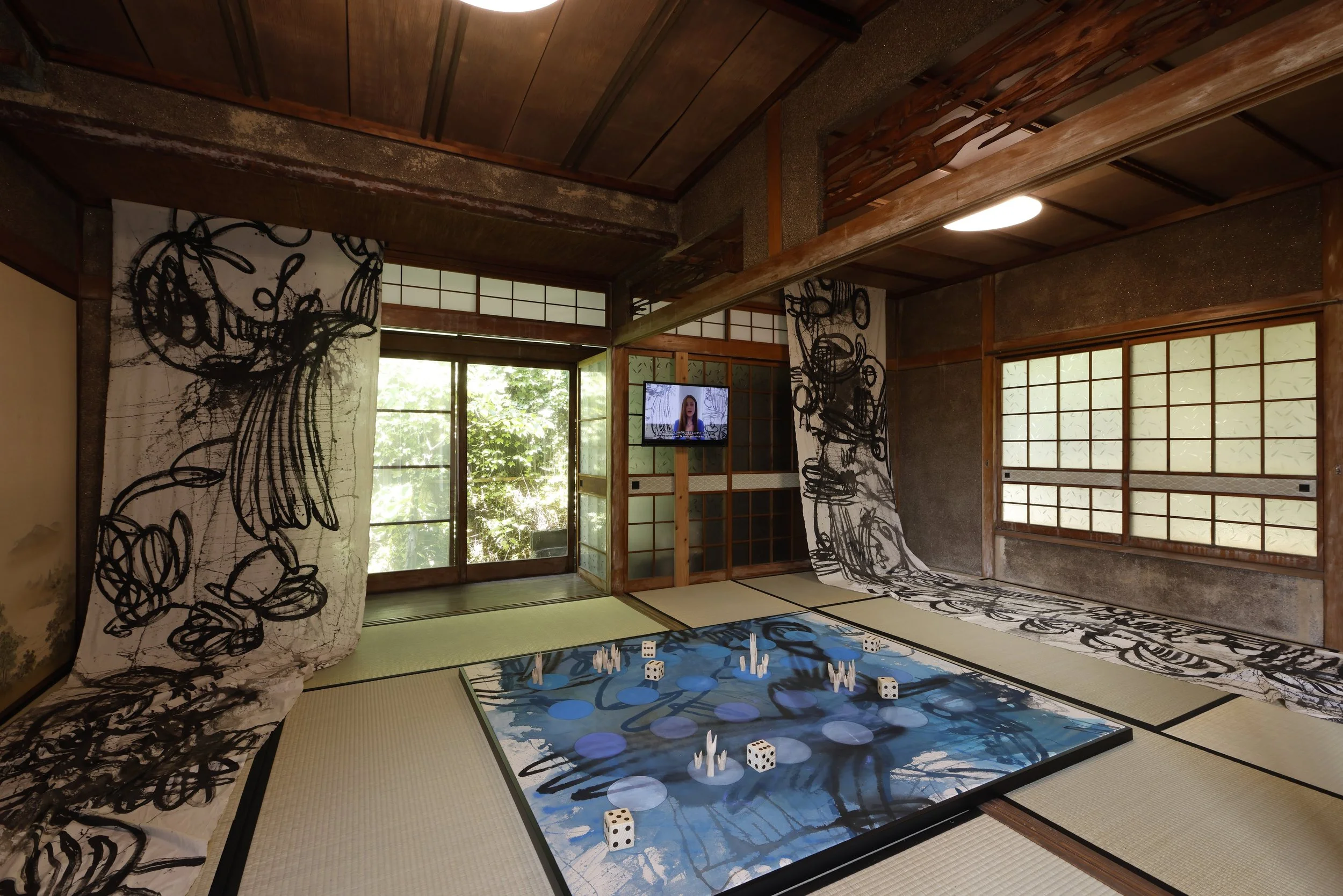
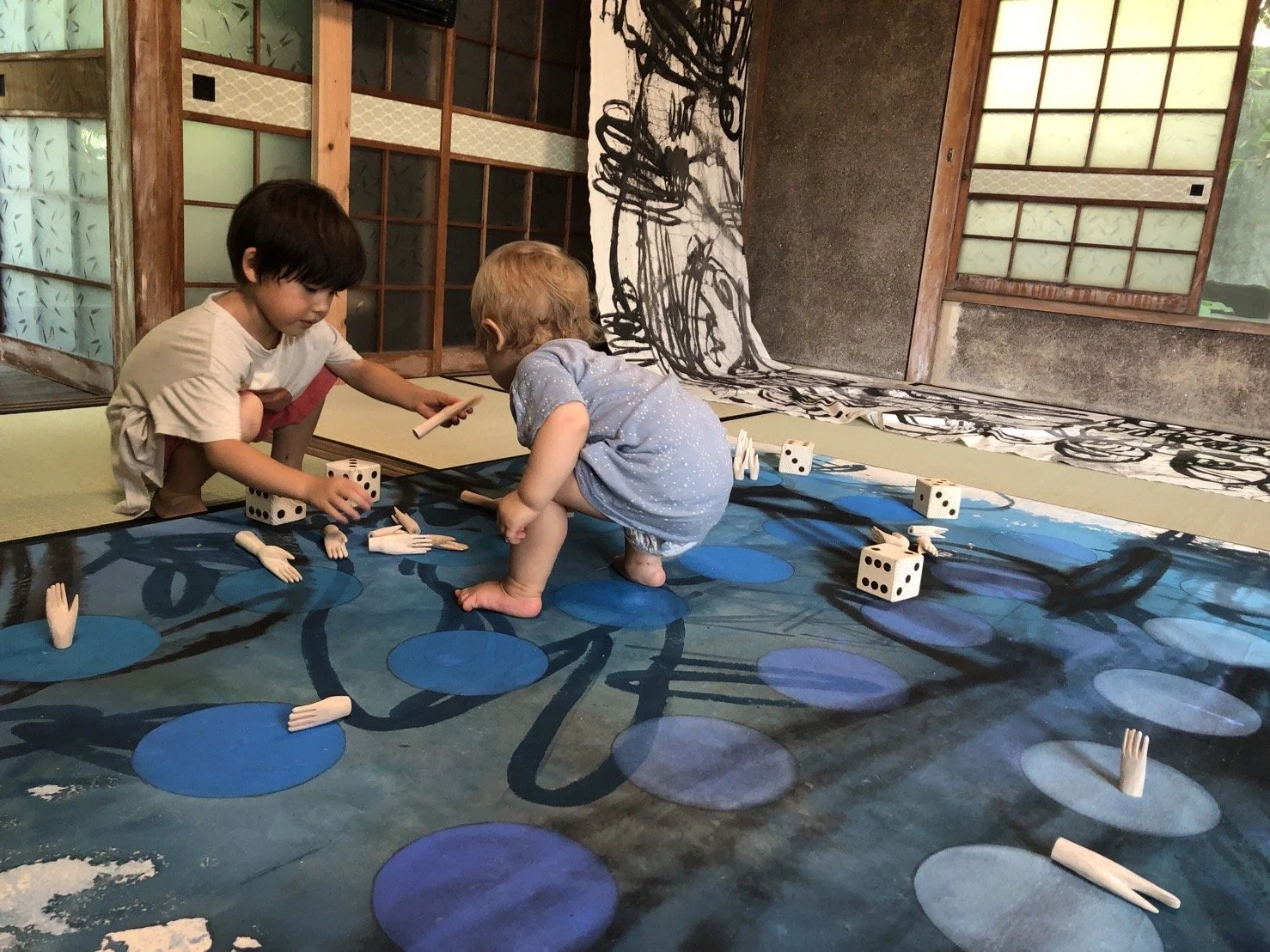
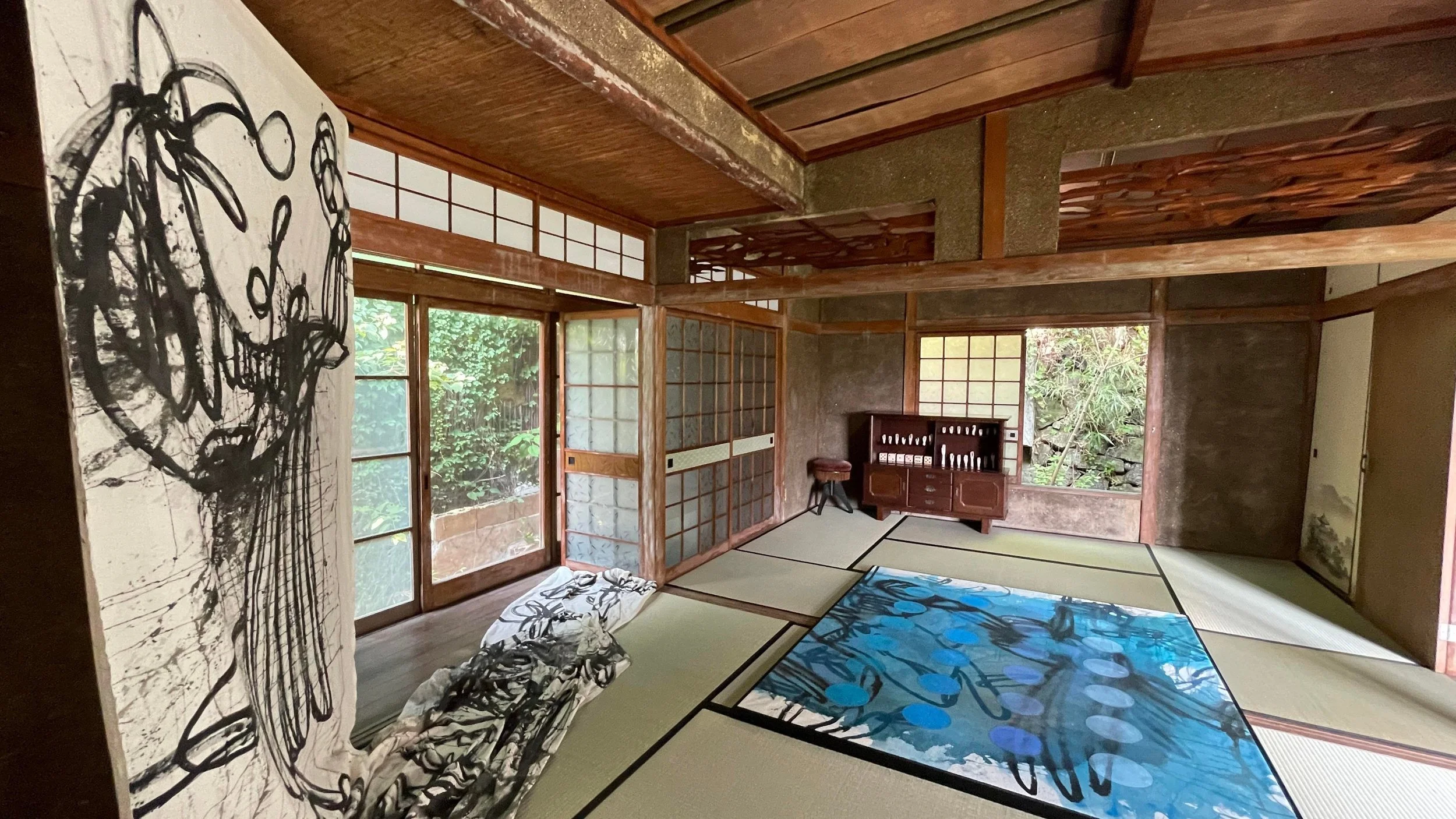
Contemporary art is typically addressed to adults. Children are welcomed into exhibitions, yet they are rarely regarded as autonomous viewers whose ways of seeing might shape the exhibition itself. School Teachers and Raise Hands! were conceived as an attempt to reverse this assumption by creating an exhibition in which children were not secondary visitors but the primary audience. Presented during the Setouchi Triennale 2022, the project occupied a traditional Japanese house on the island of Ogijima. Rather than functioning as a neutral exhibition venue, the house became an active participant in the work. Its domestic scale, familiar architecture, and sequence of intimate rooms encouraged a slower, more exploratory mode of viewing, allowing visitors to move through the exhibition much as they would through a lived space. This setting dissolved conventional boundaries between exhibition, home, and classroom, transforming the house into a place for learning, imagination, and encounter.
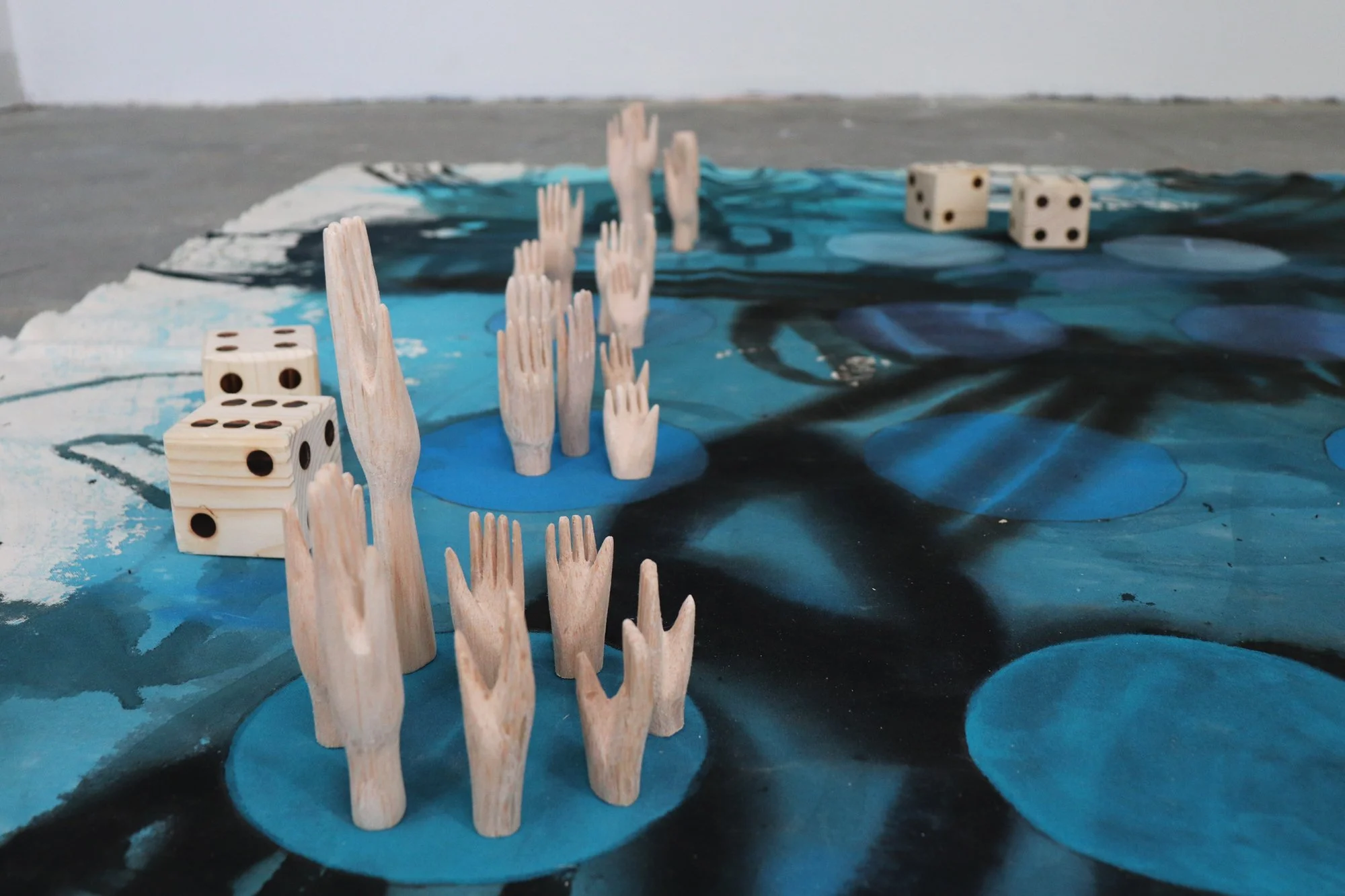
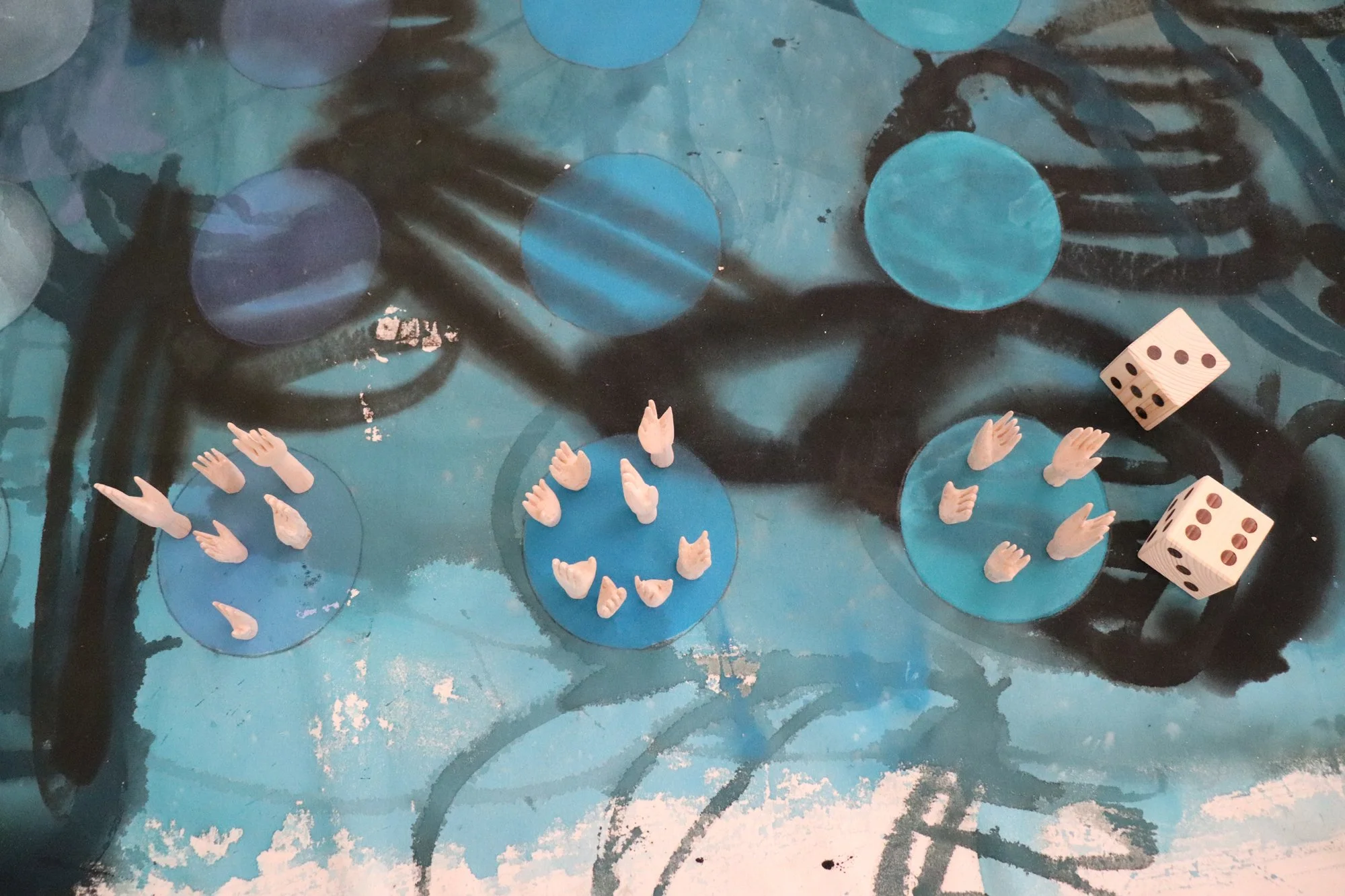
The project unfolded across two interconnected works. School Teachers brought together Muromtseva’s watercolor portraits of teachers alongside drawings made by children from the island. Rather than presenting a single authoritative image of education, the installation assembled multiple and often contradictory ideas of who a teacher might be. Adults and children became equal image-makers, their representations existing side by side without hierarchy. The accompanying board game, Raise Hands!, extended these questions beyond observation into participation. Inspired by the rituals of the classroom, the game transformed familiar gestures of learning—raising a hand, answering questions, following rules, into opportunities for negotiation, improvisation, and collective play. Instead of rewarding correct answers, it encouraged curiosity, conversation, and collaboration. Visitors became participants, discovering that learning emerges through interaction rather than the simple transmission of knowledge.
Together, the two works examined the classroom as a cultural space where authority, imagination, and community are continuously produced. At the same time, they questioned the conventions of exhibition-making itself. If contemporary art often assumes an adult viewer capable of interpreting conceptual language, this project asked what changes when an exhibition is conceived from the perspective of a child. Rather than simplifying artistic ideas, it treated children's curiosity, playfulness, and capacity for invention as sophisticated forms of engagement. The choice of a traditional Japanese house reinforced this proposition. Homes are among the first places where learning takes place, while schools formalize that process. By bringing artistic inquiry into a domestic environment, the project blurred distinctions between public and private, education and everyday life, exhibition and play. Visitors of different generations encountered one another within a shared space that encouraged participation instead of observation.
School Teachers and Raise Hands! ultimately proposed an alternative model of spectatorship in which children are recognized as serious interlocutors rather than future audiences. By taking children's ways of seeing seriously, the project suggested that imagination, play, and curiosity are not preliminary stages of understanding but essential forms of knowledge through which contemporary art can be experienced by viewers of all ages.
Exhibition view, Setouchi Triennale, Japan, 2022



School Teachers, 2022
Watercolor, acrylic ink, paper, 9 x 11 inches each work.


